Fluorine & Silicone, for a Better Life
CN
Leave Your Message

Bisphenol Curable FKM for Life Science and Specialty Industrial Materials

Next-Generation Fluoroelastomer Solutions Engineered for Extreme Chemical Resistance, High-Purity Compliance, and Uncompromising Sealing Integrity.

Technical Deep Dive

Industrial Landscape & Chemistry of Bisphenol Curable FKM

Bisphenol Curable FKM (Fluoroelastomer) represents one of the most commercially significant families of high-performance elastomers. Characterized by its unique cross-linking chemistry, Bisphenol-cured FKM bridges the gap between processing efficiency and operational reliability. In critical sectors like Life Sciences and Specialty Industrial Materials, components are subjected to aggressive chemical environments, high temperatures, and strict regulatory standards. Choosing the correct curing chemistry is not merely a design detail—it dictates the lifetime, safety, and performance limit of the entire system.

Understanding the Bisphenol AF Curing Mechanism

The cross-linking of fluoroelastomers typically proceeds via one of two primary pathways: the ionic (bisphenol) system or the free-radical (peroxide) system. The bisphenol system utilizes Bisphenol AF as the cross-linking agent in combination with an organic phosphonium salt as an accelerator (phase transfer catalyst). This combination enables a highly controlled vulcanization process, resulting in a network dominated by stable carbon-oxygen-carbon (ether) linkages.

Why Compression Set Matters

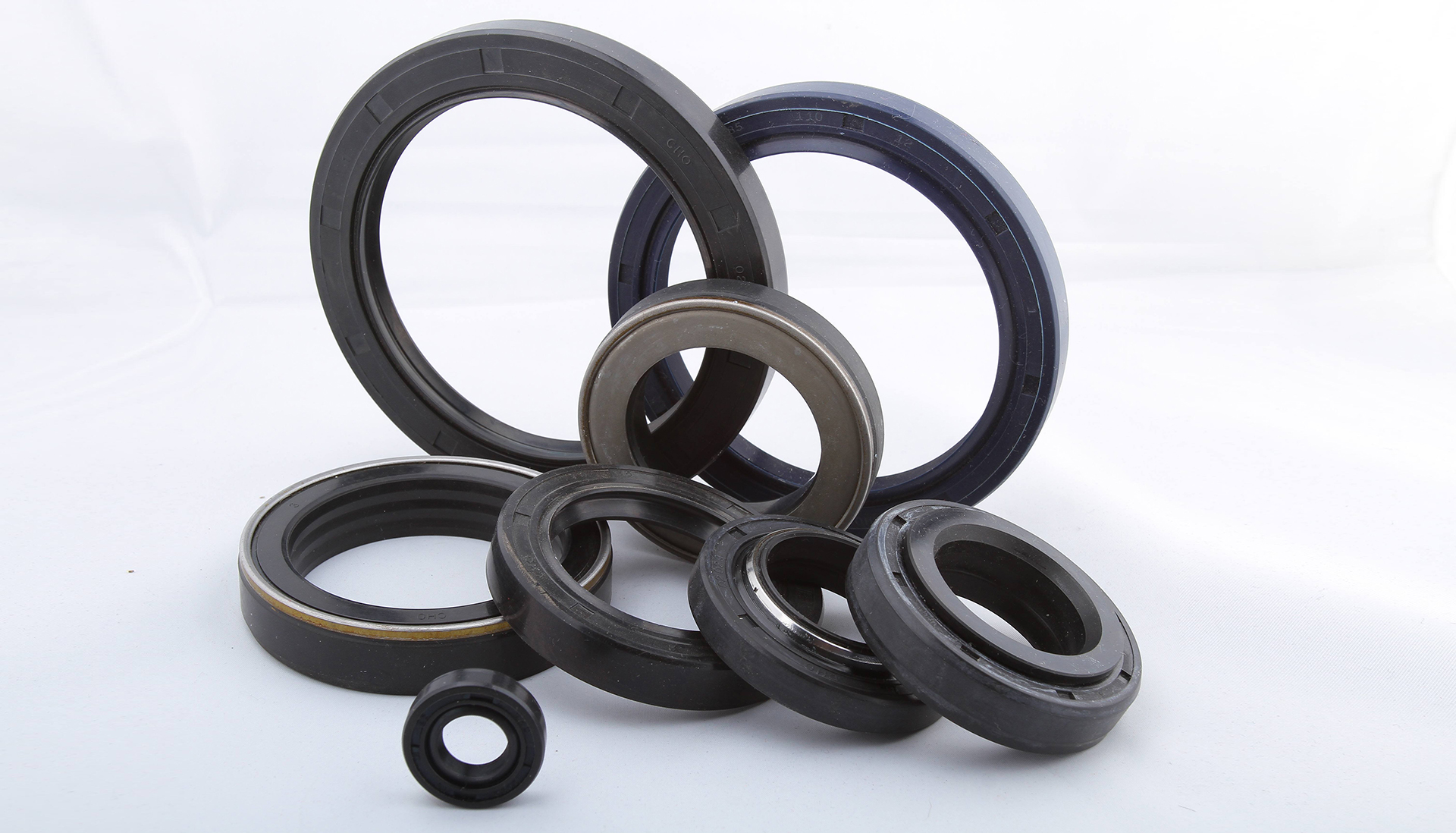
Compared to peroxide-cured counterparts, Bisphenol-cured FKM exhibits outstandingly low compression set. Compression set measures an elastomer's ability to return to its original thickness after prolonged compressive stress at elevated temperatures. In static sealing applications—such as O-rings, gaskets, and custom diaphragms—a low compression set ensures that the seal maintains adequate contact pressure over years of service, preventing leaks and system failures.

Furthermore, Bisphenol-curable compounds demonstrate excellent processing safety (scorch resistance), smooth flow behavior in injection and transfer molding, and superior adhesion to metal substrates. This makes them the material of choice for complex molded geometries and rubber-to-metal bonded components.

Comparative Analysis: Bisphenol Cured vs. Peroxide Cured FKM

Property / Feature Bisphenol Curable FKM Peroxide Cured FKM
Compression Set Resistance Excellent (Industry standard for static seals) Moderate to Good
Processing & Mold Release Superior, highly stable flow, low mold fouling Can be sticky, requires specific release agents
Steam & Acid Resistance Good (limited in hot steam/strong organic acids) Excellent (highly resistant to hydrolysis)
Metal Adhesion Excellent (ideal for overmolded seals) Requires specialized primers and processes
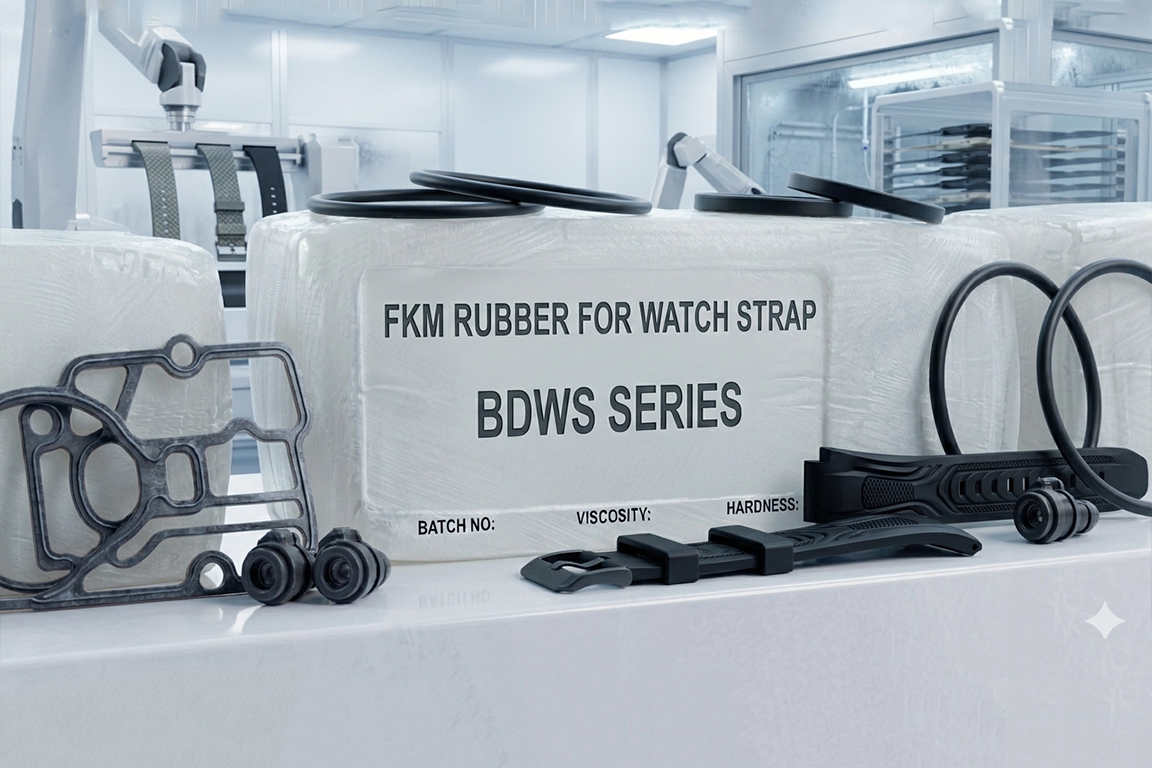
Typical Applications O-rings, shaft seals, diaphragms, watch straps Chemical hoses, fuel line seals, steam gaskets

Deep Application Scenarios in Life Sciences

The Life Science industry demands materials that maintain absolute biological inertness while resisting aggressive sterilizing protocols. Bisphenol-curable FKM compounds can be custom-formulated to meet stringent international standards, including FDA 21 CFR 177.2600, USP Class VI, and 3-A Sanitary Standards.

1. Pharmaceutical Processing & Clean-in-Place (CIP) Systems

Modern pharmaceutical manufacturing relies heavily on automated Clean-in-Place (CIP) and Sterilize-in-Place (SIP) systems. These processes expose seals to hot steam, oxidizing acids, strong alkalis, and organic solvents used for sanitization. Bisphenol-cured FKM seals provide the mechanical durability needed to withstand cyclic compression while keeping extractables and leachables to an absolute minimum. This prevents contamination of active pharmaceutical ingredients (APIs).

2. Medical Device Sealing

In medical devices—such as drug delivery pumps, diagnostic equipment, and surgical instruments—seals must interact with biological fluids, chemical reagents, and sanitizing solutions without degrading or releasing toxic compounds. The high purity of bisphenol-cured FKM, combined with its resistance to ozone and UV sterilization, ensures long-term biocompatibility and reliability in life-critical equipment.

3. Laboratory Instrumentation & Chromatography

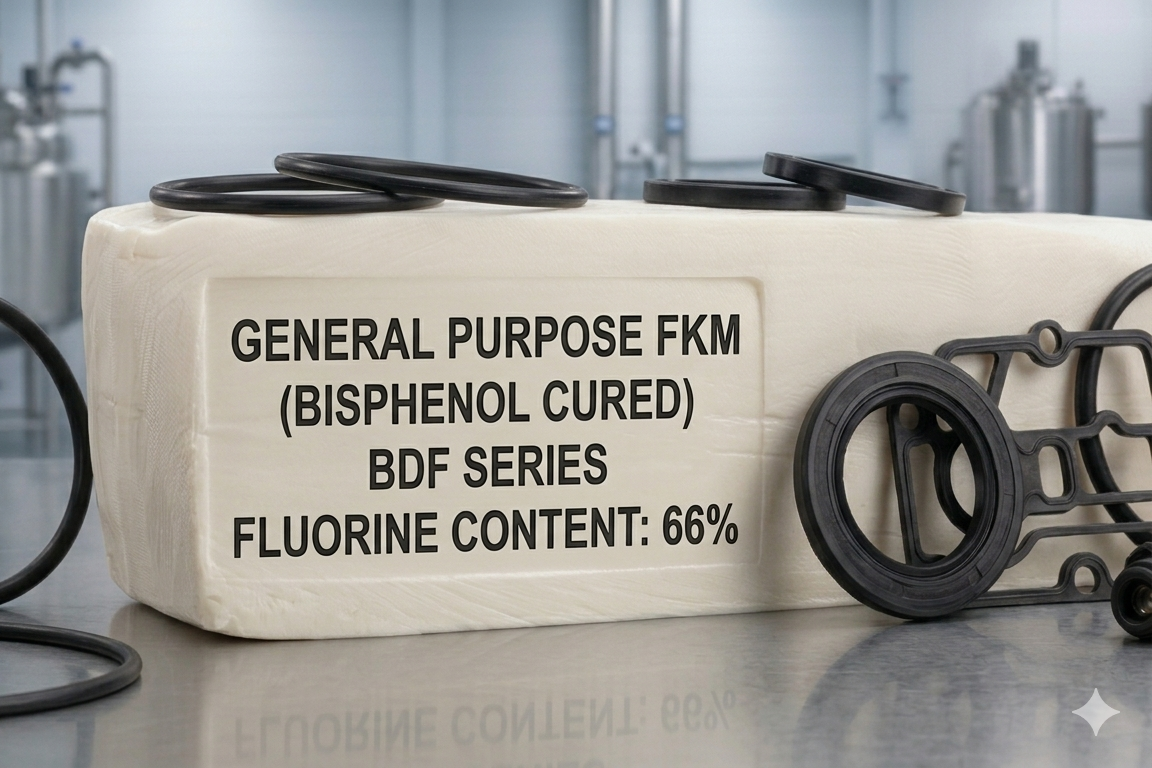
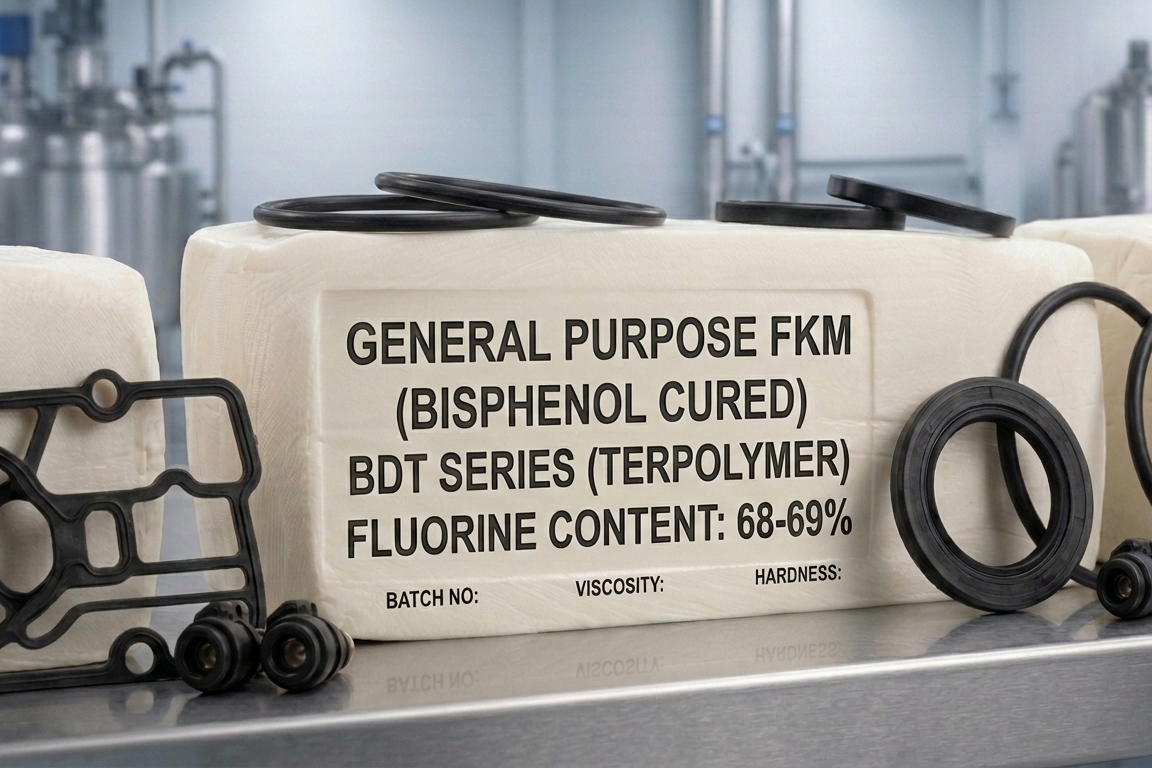
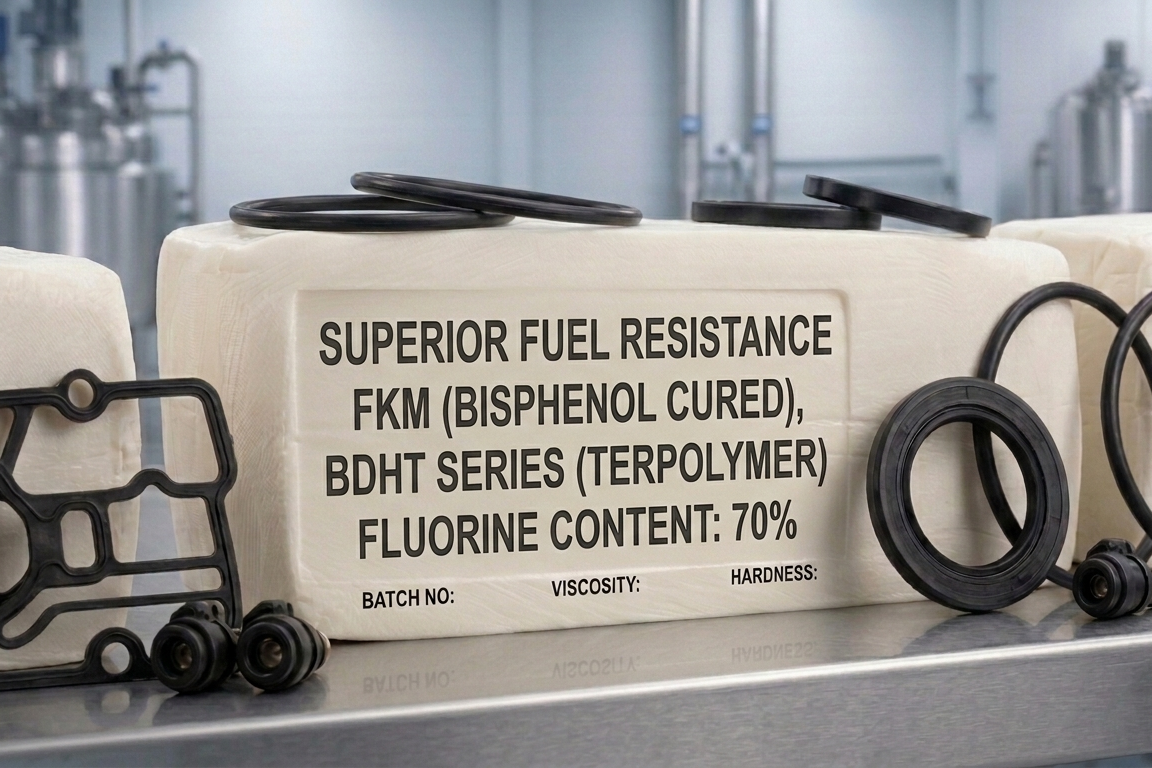
High-Performance Liquid Chromatography (HPLC) and gas chromatography systems require seals that do not swell or leach when exposed to aggressive mobile phases like acetonitrile, methanol, and hexane. Bisphenol-cured terpolymers (such as the BDT Series) maintain their dimensional stability, ensuring precise flow rates and preventing chromatographic baseline noise caused by material degradation.

Specialty Industrial Materials: Pushing the Limits of Engineering

Beyond life sciences, Bisphenol-curable FKM is a cornerstone of specialty industrial materials. These materials must survive extreme operating envelopes where failure results in significant environmental hazards or costly production downtime.

1. Automotive & Aerospace Fluid Systems

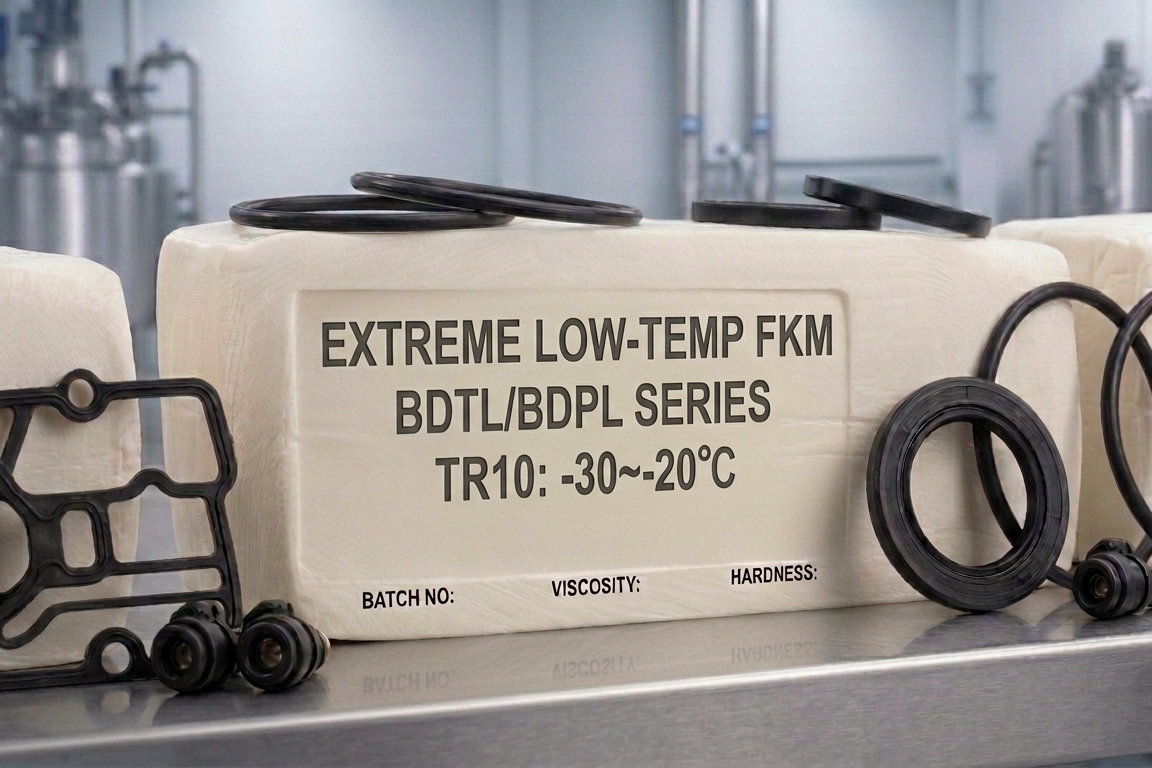
With the rise of modern biofuels, synthetic lubricants, and high-temperature engine compartments, standard elastomers fail prematurely. Bisphenol-cured FKM is widely used for fuel injector O-rings, manifold gaskets, and shaft seals. In aerospace applications, where temperature differentials are extreme, materials like the BDTL Series (Extreme Low-Temp FKM) ensure that fuel and hydraulic systems remain sealed even at sub-zero flight temperatures, preventing catastrophic pressure loss.

2. Semiconductor Manufacturing Environments

Semiconductor fabrication involves high-vacuum chambers, corrosive plasma gases, and ultra-pure chemical lines. Elastomer seals must not outgas volatile organic compounds (VOCs) or shed microparticles that could ruin silicon wafers. Bisphenol-cured FKM compounds, purified via specialized post-curing processes, provide the necessary thermal stability and chemical resistance to withstand fluorine-based plasma etching while maintaining vacuum integrity.

3. Chemical Processing Industry (CPI)

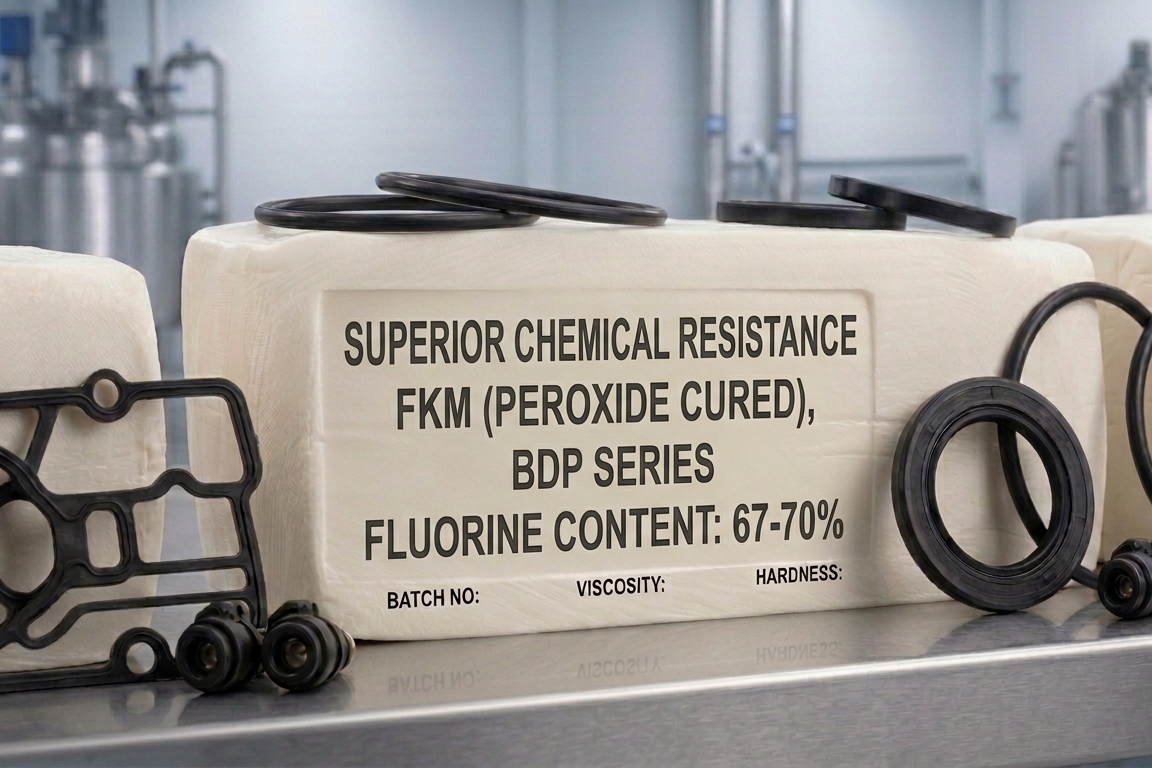
From chemical pumps and valves to storage tanks, CPI applications require robust resistance to acids, bases, and hydrocarbons. The BDBR Series (Base Resistant FKM) and BDP Series (Superior Chemical Resistance FKM) are engineered to survive these aggressive environments, offering plants a cost-effective alternative to expensive perfluoroelastomers (FFKM) while ensuring high safety margins.

Commercial and Market Trends

The global demand for high-performance fluoroelastomers is shifting toward sustainable chemistry and high-purity grades. Regulatory frameworks like REACH and upcoming PFAS restrictions are pushing manufacturers to innovate. The adoption of advanced polymerization aids and green surfactants (FSA) is transforming how FKM is synthesized, ensuring that the next generation of materials is both high-performing and environmentally compliant.

STAR PRODUCTS

Advanced Material Solutions

High-performance PFPE Coolants, MQ Resins, and Green Surfactants for the high-tech era.

rubber-and-plastics

FKM Rubber Compound

Premium raw gum and fully formulated compounds tailored for extrusion, molding, and calendering.

63d

PFPE & Electronic Coolants

High-efficiency heat transfer fluids engineered for direct immersion cooling in data centers and power electronics.

microscope

MQ Silicone Resins

Highly cross-linked silicate networks providing reinforcement, thermal stability, and surface modification.

seedlings

Green Chemistry (FSA)

Sustainable and eco-friendly fluorinated surfactants (FSA) tailored for high-performance industrial applications with minimal environmental impact.

Established Industrial Solutions

Building on the legacy of CGFSE (FSE) & Aifluo, supplying premium FKM Elastomers and PPA Additives globally.

cgfse
layer-25-9
Our Strengths

Why Choose Us

Leading the industry through molecular innovation, advanced manufacturing setups, and sustainable chemistry.

We are the first Chinese manufacturer to produce Y-Type FSA on a large scale and a leading producer of immersion coolants, directly contributing to carbon neutrality. Our ChipChill coolant helps IDC centers achieve a PUE value close to 1.0, while our FSA is critical for new energy lithium battery PVDF adhesives and solar cell backsheets. Our elastomer products serve the automotive, petroleum, chemical processing, and wearable electronics industries due to their excellent resistance to high temperatures and corrosion.

Innovation & Technology

Our innovation is driven by Kingrande’s unique APA&D (Advanced Polymer Architecture and Design) Platform, which integrates Advanced Polymer Hybridization (APH), Polymerization Process (APP), Modification Process (AMP), and Functionalization (APF).

Our Equipment

Supported by advanced equipment such as short-path molecular distillation and electronic-grade purification filtration, we ensure superior product quality and batch-to-batch consistency.

Our R&D Team

Our R&D team consists of 30 professionals. To date, we have secured 49 patents (including 27 national invention patents and 19 utility model patents) accepted by the State Intellectual Property Office.

INDUSTRY APPLICATIONS

Industries We Serve

From Semiconductor manufacturing to Automotive sealing, exploring our versatile applications.

semiconductor-manufacturing

Semiconductor Manufacturing

data-center-cooling

Data Center Cooling

automotive-sealing-solutions

Automotive Sealing

aerospace-aviation-materials

Aerospace Aviation Materials

pressure-sensitive-adhesives

Pressure Sensitive Adhesives

R&D CAPABILITIES

R&D & Manufacturing Excellence

Our testing and analytical capabilities ensure the highest molecular precision and quality control.

ftir-spectroscopy-molecular-analysis-chemical

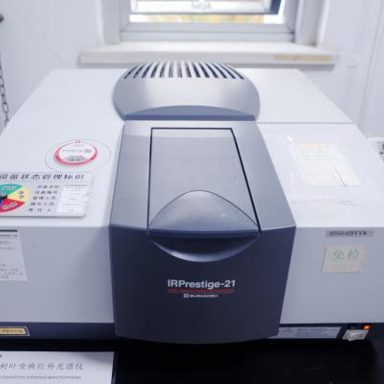
FTIR Spectroscopy

Utilizing Fourier Transform Infrared Spectroscopy to identify molecular structures and ensure chemical purity at a microscopic level.

gas-chromatograph-gc-purity-testing

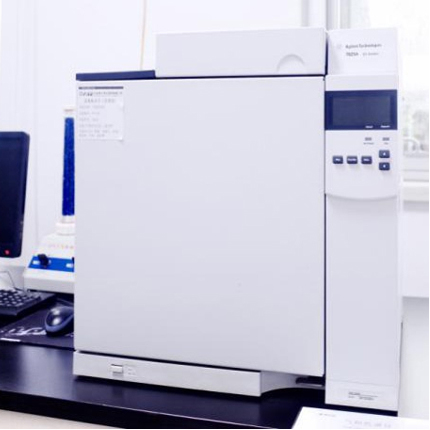
Gas Chromatograph (GC)

High-precision gas chromatography for purity testing, compound separation, and volatile organic analysis.

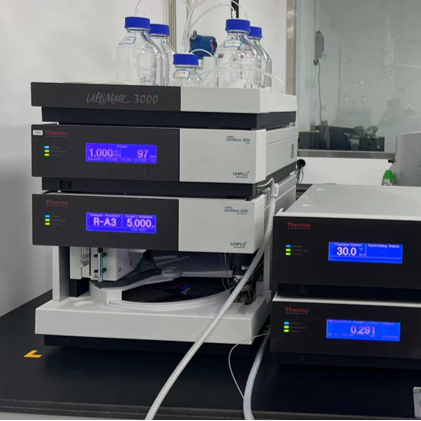
hplc-system-chemical-mixture-analysis

HPLC System

High-Performance Liquid Chromatography system for analyzing polymer additives and complex chemical mixtures.

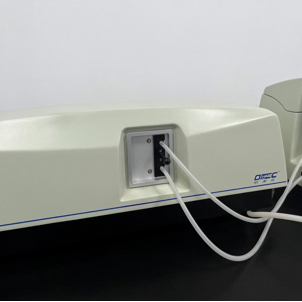
laser-particle-size-analyzer-dispersion-test

Laser Particle Size Analyzer

Evaluating latex dispersion and particle size distribution to optimize compound blending and consistency.

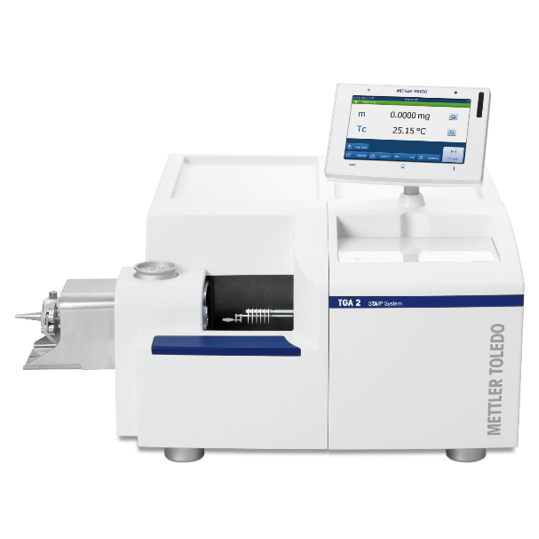
tga-thermogravimetric-analysis-thermal-stability

TGA (Thermogravimetric Analysis)

Determining thermal stability and composition of FKM compounds under extreme temperature ramps.

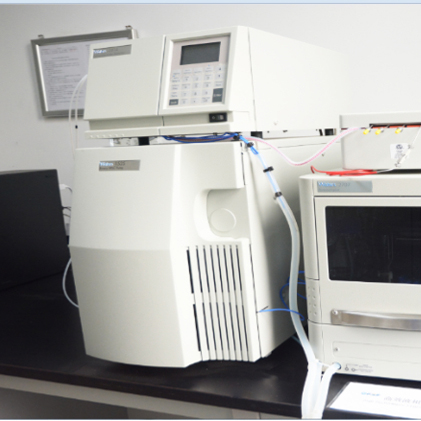
waters-gpc-gel-permeation-chromatography-polymer

Waters GPC System

Gel Permeation Chromatography for assessing molecular weight distribution and polymer architecture.