Getting a good grasp on FKM material specs is pretty essential these days, especially with how competitive the global market’s become. You know, fluoroelastomers like FKM are really celebrated for their toughness and ability to resist super high temperatures and chemicals—that’s a big deal. I came across a report from Grand View Research that predicts the worldwide fluoropolymers market will hit around USD 12.62 billion by 2025, which just shows how much demand there’s for top-notch materials like FKM.
But here’s the thing—purchasing FKM isn’t just about grabbing whatever and calling it a day. You really need to understand the different material specs. There are a bunch of grades out there, each one suited for different uses, whether it's car parts or aerospace stuff. Messing up the details can lead to performance issues, which can get pretty costly fast. Like, if you pick the wrong FKM O-Ring Material, you might end up with leaks or even cause a plant shutdown—that's no joke. Big players like DuPont and 3M stress how important it’s to follow the right standards so everything stays reliable.
All in all, understanding FKM specs isn’t something you want to overlook. It takes some real expertise and effort to evaluate your suppliers properly. Honestly, the whole process can be a bit overwhelming and confusing at times. That’s why investing some time and resources into really learning these details can seriously save you from big headaches down the line. When you genuinely get what’s required, it can totally transform your procurement process and help your products last longer and perform better.
Understanding the Basics of FKM Materials in Procurement
Understanding FKM materials is crucial for global procurement. FKM, or fluorocarbon elastomer, provides excellent resilience against heat, oils, and chemicals. Industry reports indicate that the global market for FKM materials is expected to grow significantly. The demand for high-performance seals and gaskets is increasing, highlighting FKM's importance in procurement strategies.
When purchasing Fkm O Ring Material, various specifications need careful consideration. Key factors include temperature resistance and chemical compatibility. Data reveals that FKM can withstand temperatures between -20°C to 260°C, which is critical for many industrial applications. However, suppliers may differ in their formulations, leading to potential failures if specifications are not verified.
Many organizations sometimes overlook the importance of supplier reliability. A recent study found that only 30% of companies audit their material suppliers regularly. Without proper quality assurance, procurement teams might face unexpected challenges. It's essential to ensure that your chosen FKM O Ring Material meets the required standards and certifications. Effective communication with suppliers can help mitigate these risks.
Key Properties of FKM Materials Relevant to Global Supply Chains
FKM materials, known for their exceptional chemical resistance and temperature stability, play a critical role in global supply chains. These properties make Fkm Gaskets Material highly sought after in industries like automotive and aerospace. A study from the Elastomer Research Group reported that FKM materials can withstand temperatures ranging from -20°C to 200°C, outperforming traditional rubber in various applications. Understanding these specifications ensures effective procurement and minimizes risks during manufacturing.
Moreover, the tensile strength of FKM materials is another key factor. According to industry data, FKM typically exhibits tensile strengths exceeding 20 MPa. This strength leads to enhanced durability and longer product life. However, not all FKM grades are equal; variations in formulation can lead to significant differences in performance. This factor complicates procurement, requiring buyers to be vigilant about material specifications. It's essential to collaborate with reliable suppliers who can provide precise data on their FKM gaskets material.
The compatibility of FKM with different chemicals is also crucial. Some formulations may react poorly when exposed to certain fluids, which can lead to premature failure. As data suggests, about 10% of failures in rubber components are due to chemical incompatibility. This highlights the importance of comprehensive testing and documentation in the sourcing process. Ensuring that materials meet the required specifications can safeguard against unexpected production delays and financial losses.
Evaluating FKM Material Specifications for Quality Assurance
Understanding FKM material specifications is crucial for global procurement. In industries such as automotive and aerospace, quality assurance is paramount. FKM, or fluoroelastomer, offers excellent resistance to heat, chemicals, and aging. The specifications guide firms in selecting materials that meet stringent industry standards. The properties of
75 Fkm 585 Material
highlight its durability and chemical resistance, making it suitable for high-performance applications.
Data from the Global Polymer Report indicates that the demand for FKM materials has risen by 12% annually. This trend underscores the importance of reliable sourcing practices. Prospective buyers must ensure that suppliers adhere to global standards. ASTM D1418 and ISO 1629 provide frameworks for classifying elastomers, including FKM. Understanding these standards helps in evaluating suppliers and ensuring material consistency.
Evaluating FKM specifications requires thorough analysis. A key aspect is testing for mechanical properties such as tensile strength and compression set. Detailed inspections can reveal weaknesses in batches. Always ask for material certification and test results from your suppliers. This step can mitigate risks associated with low-quality materials in critical applications. Companies that overlook these factors may encounter costly failures. Balancing cost and quality assurance is essential for sustainable procurement in the long term.
Global Standards and Certifications for FKM Materials
Global standards and certifications play a crucial role in understanding FKM material specifications for global procurement. FKM, or fluorocarbon elastomer, is widely used for its excellent resistance to heat, chemicals, and aging. However, navigating the certifications can be complex. Various organizations provide guidelines that help ensure quality and performance.
For example, ASTM D1418 offers a classification system for rubber materials. This standard is recognized globally and serves as a benchmark for procurement decisions. ISO 9001, another vital certification, focuses on quality management systems. Companies with this certification demonstrate their commitment to continuous improvement. This is crucial because the reliability of FKM materials can be affected by the manufacturer's processes.
Data from the Freedonia Group indicates that the global demand for rubber materials, including FKM, is forecasted to rise by 3.6% annually, reaching over $52 billion by 2025. Despite this growth, inconsistencies in product quality persist. Understanding Fkm Material Datasheet Tds is essential for making informed choices. It's not just about price; the specifications must be trusted. As procurement teams analyze options, they must remain vigilant. Certifications should be verified regularly to ensure compliance and performance expectations are met.
Comparing FKM with Other Elastomer Materials in Procurement
When comparing FKM with other elastomer materials, it's crucial to consider their specific properties. FKM, or fluorocarbon rubber, boasts excellent resistance to heat and chemicals. This makes it a preferred choice for demanding applications, like those in the automotive and aerospace industries. Unlike natural rubber, which can degrade in harsh environments, FKM maintains its integrity under extreme temperatures and various fluids.
However, FKM also comes with some drawbacks. Its cost is generally higher than that of other elastomers such as EPDM or NBR. This can impact procurement decisions, especially in price-sensitive projects. Additionally, FKM can be less flexible in low-temperature applications compared to materials like silicone. These factors necessitate a careful selection process based on the application requirements and budget constraints.
Moreover, while FKM excels in many areas, it is not a one-size-fits-all solution. Each project may present unique challenges, such as exposure to specific chemicals or varying temperature ranges. For procurement professionals, understanding these nuances is essential. Evaluating a material’s compatibility with the intended use can prevent costly failures down the line. Balancing performance and cost is key to making informed decisions.
Challenges in Sourcing FKM Materials Internationally
Sourcing FKM materials worldwide presents various challenges. Understanding regional specifications can be complex. Each manufacturer may have different interpretations of quality standards. This inconsistency can lead to confusion and procurement difficulties.
Logistics also play a significant role. Transporting FKM materials across borders often incurs delays. The global supply chain can be unpredictable. This unpredictability may affect delivery timelines. Moreover, fine-tuning material formulations to meet local regulations can complicate the process further.
Cost is another critical factor to consider. Price differences among regions can be striking. Factors such as tariffs and shipping fees add to the expenses. It is essential to evaluate total costs, not just the price of the material. A lack of transparent pricing from suppliers can lead to budget overruns. This complexity requires constant attention to detail and adaptability. Understanding these challenges is crucial for effective international sourcing.
Tips for Effective Supplier Communication Regarding FKM Specifications
Effective communication with suppliers about FKM material specifications is essential for successful global procurement. Clear dialogue helps avoid misunderstandings and ensures the materials meet your project needs. Here are some practical ways to enhance your interactions.
Ask direct questions to clarify any uncertainties. For example, inquire about the specific grades of FKM they offer. This promotes transparency and can reveal potential issues early on. Specify your project requirements in detail, including temperature ranges and chemical compatibility. It’s crucial to ensure the supplier understands your expectations.
Regularly review and update your specifications. Markets evolve, and so do material properties. Communicating these changes reinforces the importance of adaptability. It may not always feel easy to align with different suppliers, but consistency in your messaging can foster a stronger partnership over time. Consider having periodic check-ins to discuss quality and performance metrics as well—this can offset potential discrepancies before they impact your supply chain.
Innovative Applications and Benefits of Extreme Low-Temp FKM BDTL Series Fluoroelastomer in Harsh Environments
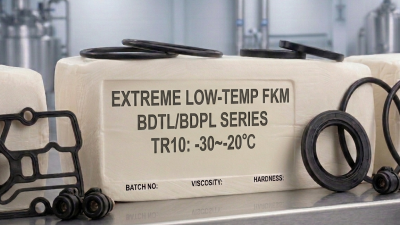
The BDTL Series of low-temperature FKM terpolymer is revolutionizing the way elastomers are utilized in harsh environments. With an impressive performance range down to -24°C, this innovative material combines superior flexibility and excellent mold flow, making it ideal for applications in extreme conditions. The unique properties of the BDTL Series enable the production of precision O-rings and gaskets that maintain their integrity and functionality even when exposed to significant temperature fluctuations.
One of the standout features of the BDTL Series is its pre-incorporated curative system, which not only streamlines the manufacturing process but also enhances the end product's performance. This allows for better adaptation in applications where traditional materials might falter, such as in cryogenic environments or situations involving aggressive chemicals. As industries seek reliable solutions that can withstand extreme temperatures, the BDTL Series serves as a vital innovation that ensures durability and efficiency in demanding conditions.
FAQS
: FKM materials have exceptional chemical resistance and temperature stability. They withstand temperatures from -20°C to 200°C.
FKM materials typically exceed 20 MPa in tensile strength. This leads to enhanced durability and a longer product life.
Some FKM formulations may react poorly with certain fluids. About 10% of rubber failures stem from chemical incompatibility.
Buyers should ensure suppliers adhere to ASTM D1418 and ISO 1629 standards. These help classify elastomers like FKM effectively.
Testing for mechanical properties can reveal weaknesses. Always ask for material certification and test results from suppliers.
FKM resists heat and chemicals better but is often more expensive. Natural rubber degrades, while FKM maintains its integrity.
FKM can be less flexible in low temperatures. Each project may require specific assessments to prevent failures.
The higher cost of FKM impacts procurement decisions. Price-sensitive projects may require careful evaluation of options.
Collaborating with trustworthy suppliers ensures accurate data. This minimizes risks in sourcing and production processes.
Companies must thoroughly analyze material specifications and prioritize quality assurance in their procurement strategies.
Conclusion
Understanding FKM material specifications is crucial for effective global procurement, as these specialized elastomers possess unique properties that impact their application in various industries. The article outlines the fundamental characteristics of FKM materials, emphasizing their resistance to chemicals and high temperatures, which are critical for maintaining product integrity in diverse environments. It also addresses the importance of rigorous evaluation of FKM material specifications to ensure quality assurance, as well as the need to adhere to global standards and certifications that govern these materials.
Additionally, the article compares FKM to other elastomer materials, highlighting the advantages and challenges of sourcing FKM materials internationally. It offers practical tips for enhancing communication with suppliers regarding FKM specifications, which is essential for mitigating risks in the procurement process. Overall, having a comprehensive understanding of FKM material specifications empowers stakeholders to make informed decisions, ensuring reliability and performance in their applications.