Engineered for absolute reliability under extreme heat, chemical attack, and ultra-pure operational environments.


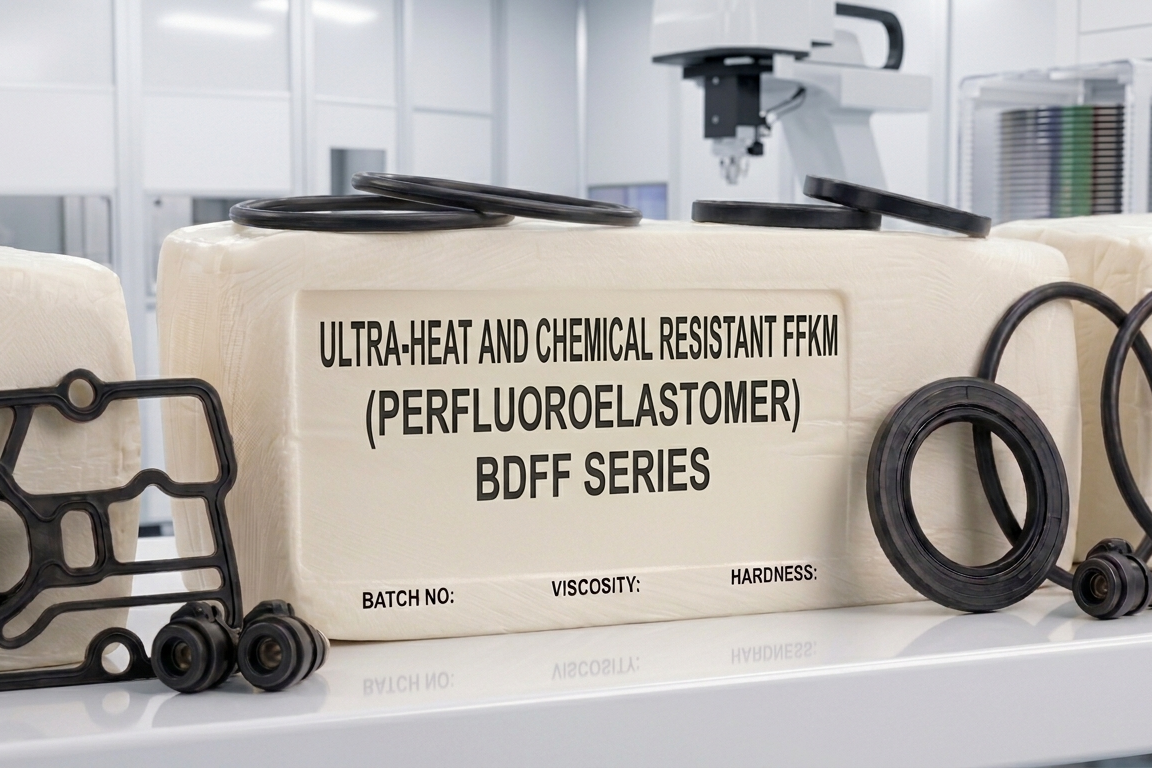
In modern high-tech manufacturing, materials are routinely subjected to aggressive operating parameters that push standard polymers past their physical limits. **Perfluoroelastomers (FFKM)** represent the absolute apex of elastomeric technology. Combining the unmatched chemical inertness of polytetrafluoroethylene (PTFE) with the elastic recovery and sealing resilience of synthetic rubber, high-temperature FFKM compounds serve as critical components in ultra-clean, high-heat, and chemically severe applications.
FFKM materials consist of fully fluorinated polymer backbones where all carbon-hydrogen bonds are replaced by ultra-strong carbon-fluorine (C-F) bonds (dissociation energy ~485 kJ/mol). Coupled with proprietary monomeric crosslinking systems, High Temperature FFKM maintains structural integrity, low compression set, and zero outgassing even during continuous operation up to 327°C (620°F).
The life sciences, biopharmaceutical synthesis, and medical diagnostics sectors demand rigorous contamination control, zero toxicity, and absolute mechanical reliability. Traditional elastomers like NBR, EPDM, or standard FKM often leach plasticizers, degrade under aggressive CIP (Clean-in-Place) / SIP (Steam-in-Place) cycles, or swell when exposed to organic solvents.
Active Pharmaceutical Ingredient (API) production utilizes harsh solvents—including dimethylformamide (DMF), tetrahydrofuran (THF), concentrated acids, and strong bases. Standard sealing components degrade rapidly under these conditions, causing seal flaking and process fluid contamination. High-temperature FFKM O-rings and gaskets deliver continuous resistance to dynamic chemical degradation while enduring high-pressure thermal sterilization cycles up to 150°C steam.
High-Performance Liquid Chromatography (HPLC), Liquid Chromatography-Mass Spectrometry (LC-MS), and microfluidic diagnostic chips operate at extreme pressures and require precise fluid dosing. Any chemical swelling or elasticity loss within pump check-valves or injector seals skews analytical results. High-temperature FFKM guarantees dimensional stability and zero swelling across polar and non-polar solvent spectrums.
Beyond pharmaceutical cleanrooms, high-temperature FFKM is irreplaceable in heavy industrial processing, advanced electronics, and energy production environments where downtime results in substantial financial loss.
Sub-10nm logic and 3D NAND flash memory fabrication involve volatile plasma atmospheres (fluorine, chlorine, oxygen plasmas) inside Atomic Layer Deposition (ALD) and Chemical Vapor Deposition (CVD) chambers. Sealing materials must withstand intense RF plasma, thermal baking (>300°C), and vacuum integrity maintenance. FFKM BDFF series components minimize particle generation, extending preventive maintenance (PM) cycles by over 300%.
Deepwater drilling and geothermal power generation push sealing materials to extreme limits. Downhole valves, packers, and logging tools encounter sour gas (H2S), supercritical carbon dioxide, steam, and aggressive hydrocarbon mixtures at temperatures surpassing 260°C and pressures exceeding 20,000 psi. High-temperature FFKM prevents explosive de-pressurization (ED) or rapid gas decompression (RGD) failure.
In chemical plants handling aggressive acids (nitric, hydrofluoric, sulfuric), organic amines, and aromatic hydrocarbons, pump mechanical seals and valve stems fabricated from standard fluorocarbon elastomers require frequent replacement. FFKM provides universal chemical immunity across the entire 0-14 pH scale.
We are the first Chinese manufacturer to produce Y-Type FSA on a commercial scale and a pioneering leader in eco-friendly immersion coolants, directly supporting global carbon neutrality initiatives.
Driven by Kingrande's proprietary Advanced Polymer Architecture and Design (APA&D) Platform, integrating Advanced Polymer Hybridization (APH), Polymerization Process (APP), Modification Process (AMP), and Functionalization (APF).
Supported by state-of-the-art equipment such as short-path molecular distillation units and electronic-grade purification filtration systems, ensuring zero trace metallic impurities or ionic contaminants.
Our R&D team consists of over 30 senior scientists and chemists. To date, we have secured 49 patents (including 27 national invention patents and 19 utility model patents) accepted by the State Intellectual Property Office.
From semiconductor fabs to deep-sea energy exploration, explore how our material science drives technological evolution.
Ultra-high purity seals for plasma etch, ALD, CVD chambers, and wet chemical cleaning processes.

High-efficiency ChipChill dielectric fluids enabling IDC data centers to achieve PUE values approaching 1.0.

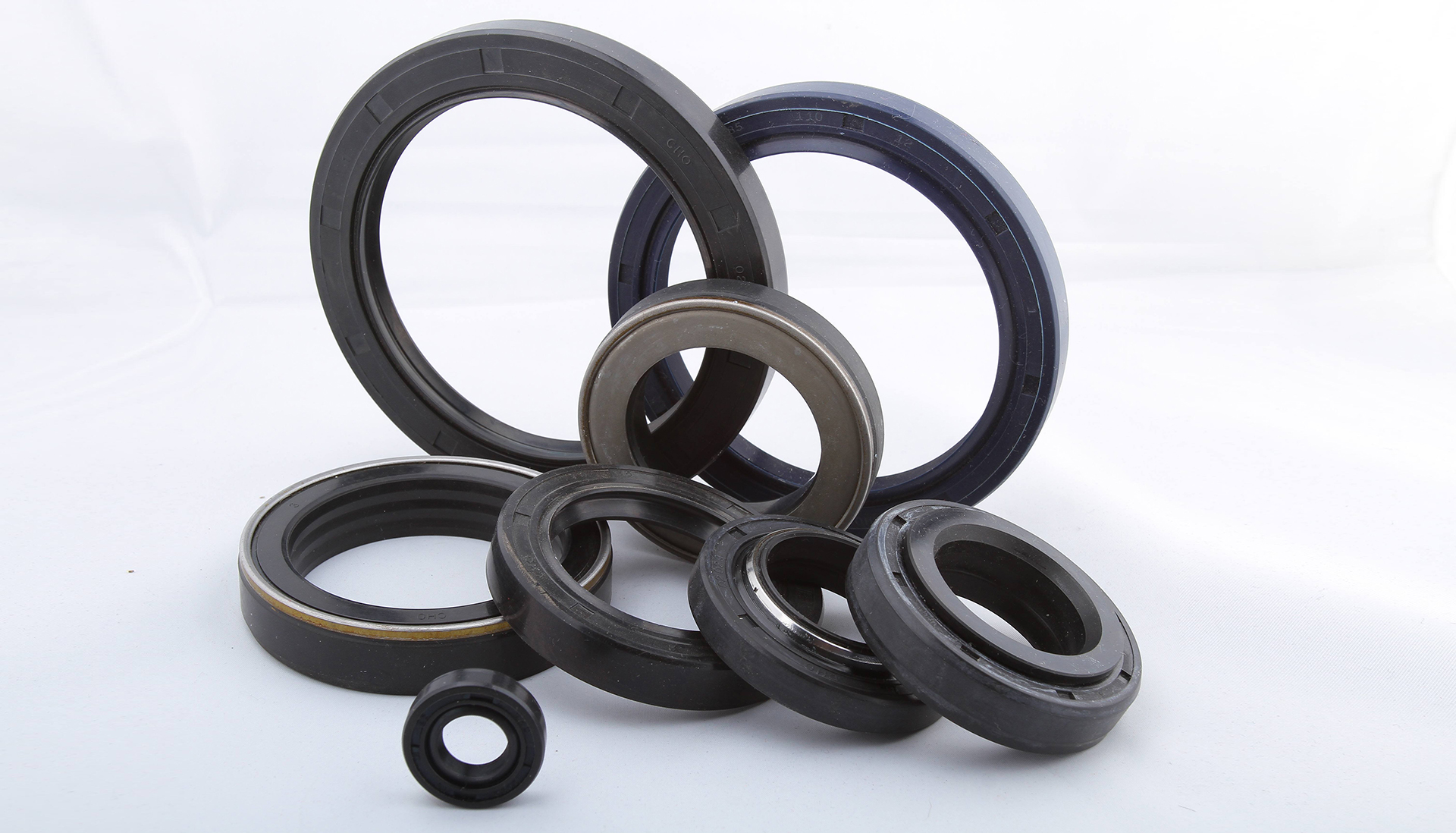
High-temperature shaft seals, turbocharger hoses, and battery thermal management fluid seals.

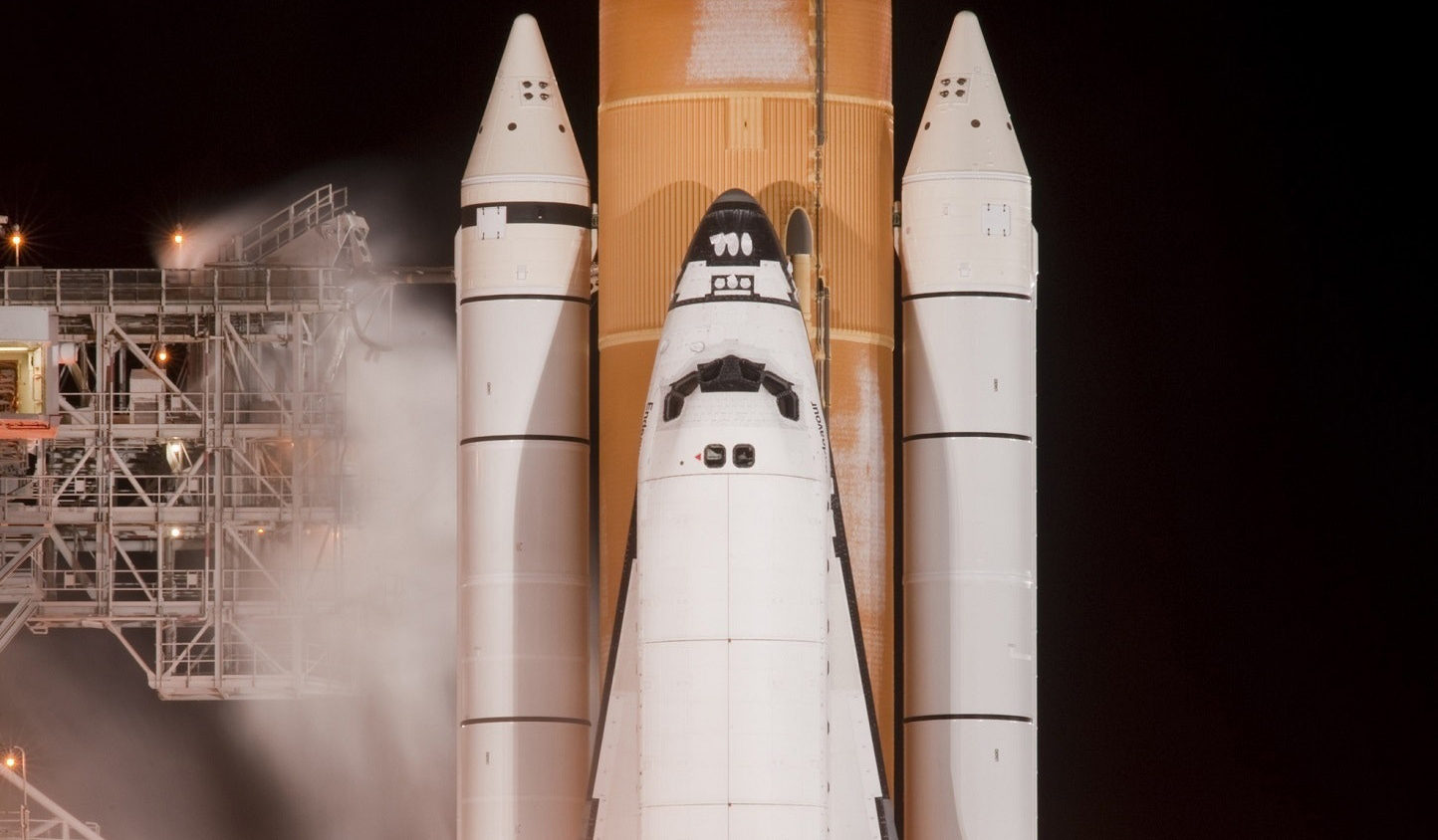
Engine fuel system O-rings, jet turbine hydraulic fluid seals, and extreme cold/heat resilient elastomers.

MQ silicone resins and fluorinated additives for electronic display tapes, backsheets, and lithium batteries.
Our R&D platform can synthesize specific polymer chain architectures tailored to your temperature and chemical specs.
Consult EngineersUnderstanding material capabilities is critical to preventing unscheduled downtime and chemical seal degradation.
| Material Type | Max Continuous Temp (°C) | Chemical Resistance Scope | Compression Set Resistance | Life Science & Cleanroom Compatibility |
|---|---|---|---|---|
| High Temp FFKM (BDFF Series) | 327°C (620°F) | Universal (Acids, Bases, Solvents, Plasma, Steam) | Excellent (<15% after 70h @ 200°C) | Ultra-High (USP Class VI, Minimal Outgassing) |
| Standard FKM (Viton-type) | 200°C - 230°C | Good (Hydrocarbons, Oils, Weak Acids) | Good | Moderate (Risk of swelling in polar solvents) |
| EPDM Rubber | 150°C | Steam, Hot Water, Polar Solvents | Fair | Good for water/steam; fails in hydrocarbons |
| Silicone (VMQ) | 220°C | Hot air, inert gases, weak chemicals | Poor to Fair | Good; low chemical & solvent resistance |
In response to global environmental regulations and ESG mandates, Kingrande and CGFSE have pioneered eco-friendly fluorinated surfactant (FSA) chemistry alongside direct immersion liquid coolants for supercomputing clusters and solar energy components.
As the first domestic producer of Y-Type FSA on a commercial scale, our non-bioaccumulative fluorinated surfactants deliver high surface activity while meeting strict environmental regulations. These compounds are essential for new energy lithium battery PVDF binder synthesis and solar cell backsheet durability coatings.
AI and high-performance computing (HPC) data centers generate unprecedented thermal loads. Our single-phase PFPE ChipChill coolants enable zero-water immersion cooling systems, reducing energy consumption and bringing Data Center PUE values down close to 1.0.
Combining rigorous molecular analysis equipment with market-proven fluoropolymer products.

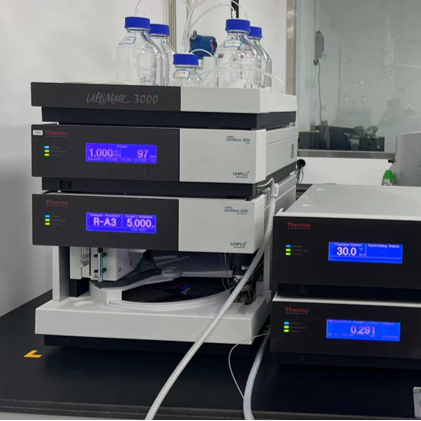
Molecular identification ensuring zero chemical impurities.

Trace volatile organic component purity validation.

Liquid phase separation for ultra-pure surfactant batches.

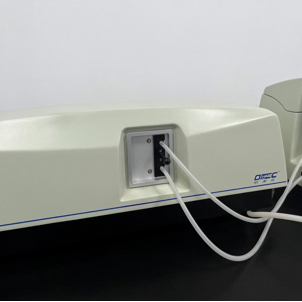
Dispersion consistency verification for fluoropolymer powders.

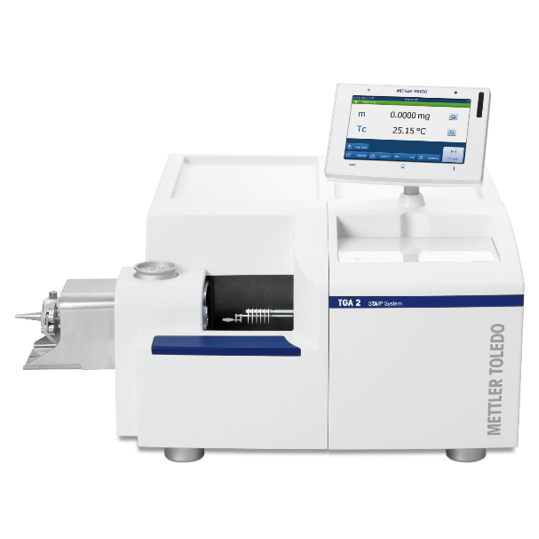
Testing precise degradation thresholds up to 600°C.

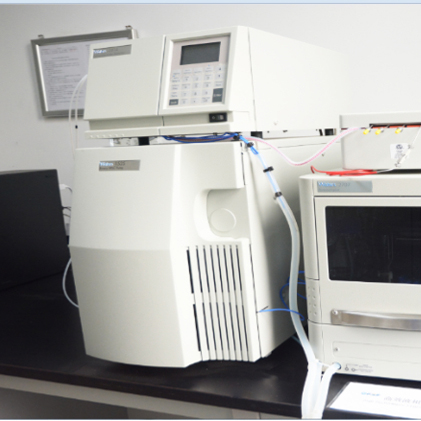
Molecular weight distribution measurement for uniform elastomeric elasticity.

High-vacuum & corrosive chemical pumping fluid.

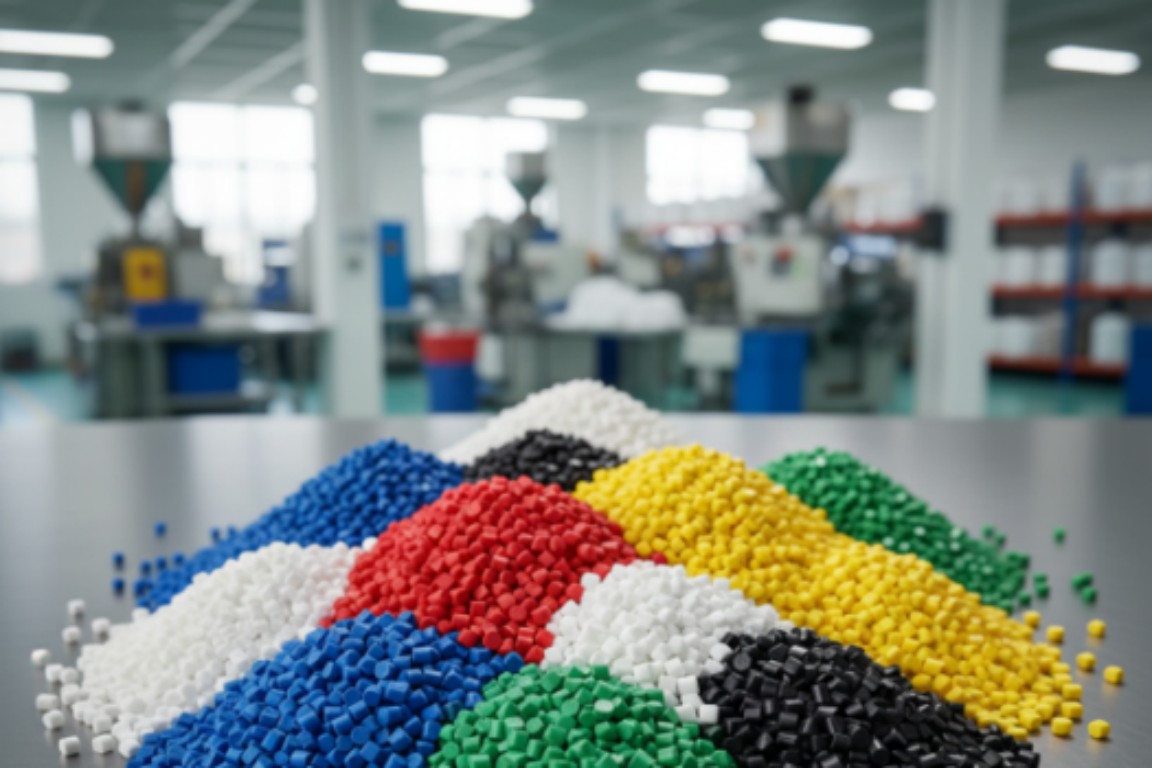
Custom formulated pre-compounds and masterbatches.
Get expert answers regarding material selection, temperature thresholds, and chemical compatibility.
FFKM (Perfluoroelastomer) contains fully fluorinated polymer chains with no carbon-hydrogen bonds. This provides chemical resistance nearly identical to PTFE, combined with elastomeric sealing elasticity. While standard FKM fails above 230°C and swells in polar solvents (like acetone or THF), High-Temperature FFKM operates continuously up to 327°C and resists virtually all chemical classes.
Yes. Custom formulated high-temp FFKM grades comply with FDA 21 CFR 177.2600, USP Class VI, and ISO 10993 requirements. They feature minimal extractables and leachables (E&L), preventing active pharmaceutical ingredient (API) contamination during batch synthesis and steam sterilization (SIP).
In semiconductor fabrication, specialized FFKM compounds (such as our BDFF series) feature ultra-pure crosslinking networks that minimize particle generation and outgassing when exposed to reactive fluorine, oxygen, and radical chlorine plasmas in ALD and CVD toolsets.
Yes. Leveraging Kingrande's APA&D (Advanced Polymer Architecture and Design) platform, our engineering team customizes durometer hardness (from 60 to 90 Shore A), color coding (black, white, translucent), and filler types (carbon black, mineral, or un-filled ultra-pure) based on your operational specifications.