In modern industrial processing, high-vacuum systems serve as the backbone of advanced manufacturing, spanning semiconductor fabrication, aerospace engineering, thin-film deposition, and analytical instrumentation. The integrity of these systems relies heavily on elastomeric seals. Under extreme vacuum pressures, typically ranging from $10^{-3}$ to $10^{-9}$ mbar, standard sealing materials fail rapidly due to outgassing, permeation, and chemical degradation caused by aggressive vacuum pump lubricants.
To mitigate these challenges, Low Compression Set Fluoroelastomers (FKM) have emerged as the premier material class. Compression set—the permanent deformation remaining after the compressive force is released—is a critical metric. In high-vacuum systems, a seal must maintain constant, uniform contact pressure against mating surfaces. If the elastomer exhibits a high compression set, it loses its sealing force over time, resulting in microscopic gaps that allow atmospheric gases to leak into the chamber, ruining highly sensitive production environments.
A low compression set ensures that O-rings and gaskets retain their elastic recovery properties even under prolonged thermal stress and mechanical load. This directly translates to longer service life, reduced maintenance downtime, and prevention of catastrophic vacuum loss in multi-million dollar semiconductor and chemical processing chambers.
Vacuum pumps, especially rotary vane, diffusion, and turbomolecular pumps, utilize specialized synthetic lubricants to reduce friction, dissipate heat, and assist in sealing. Common lubricants include Perfluoropolyethers (PFPE), esters, silicones, and highly refined mineral oils. The interaction between these chemical agents and the sealing elastomer is a primary point of failure.
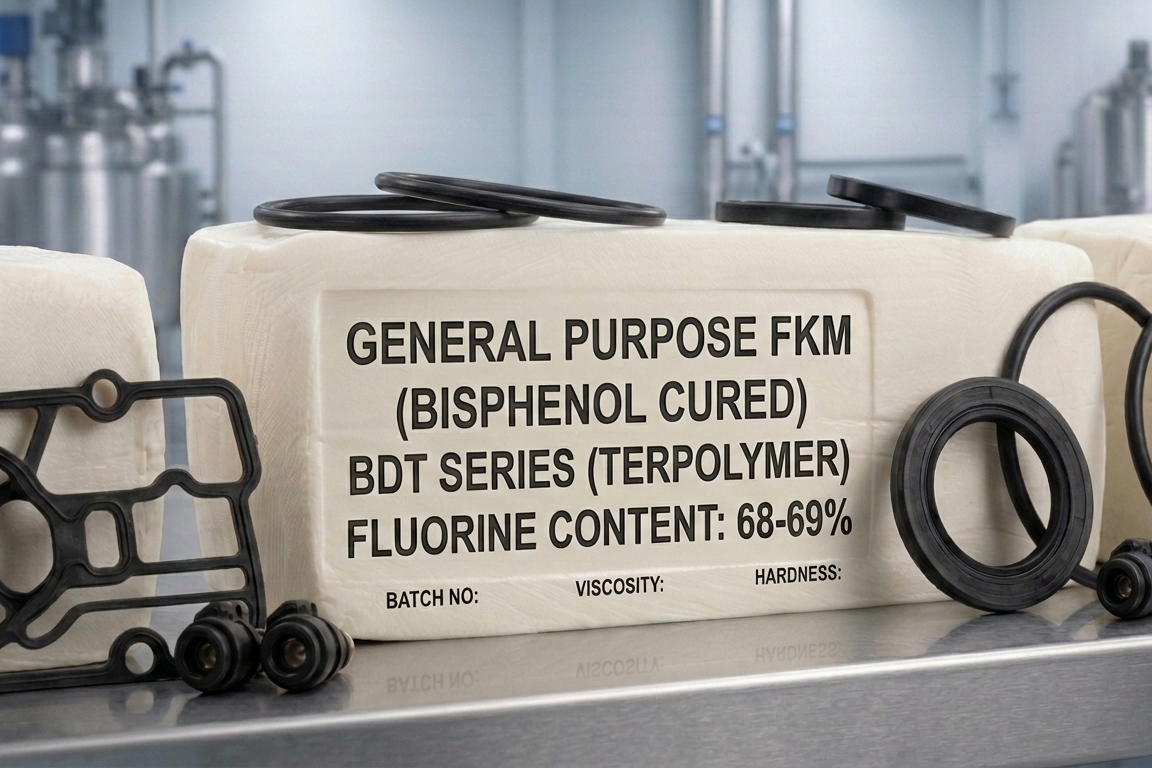
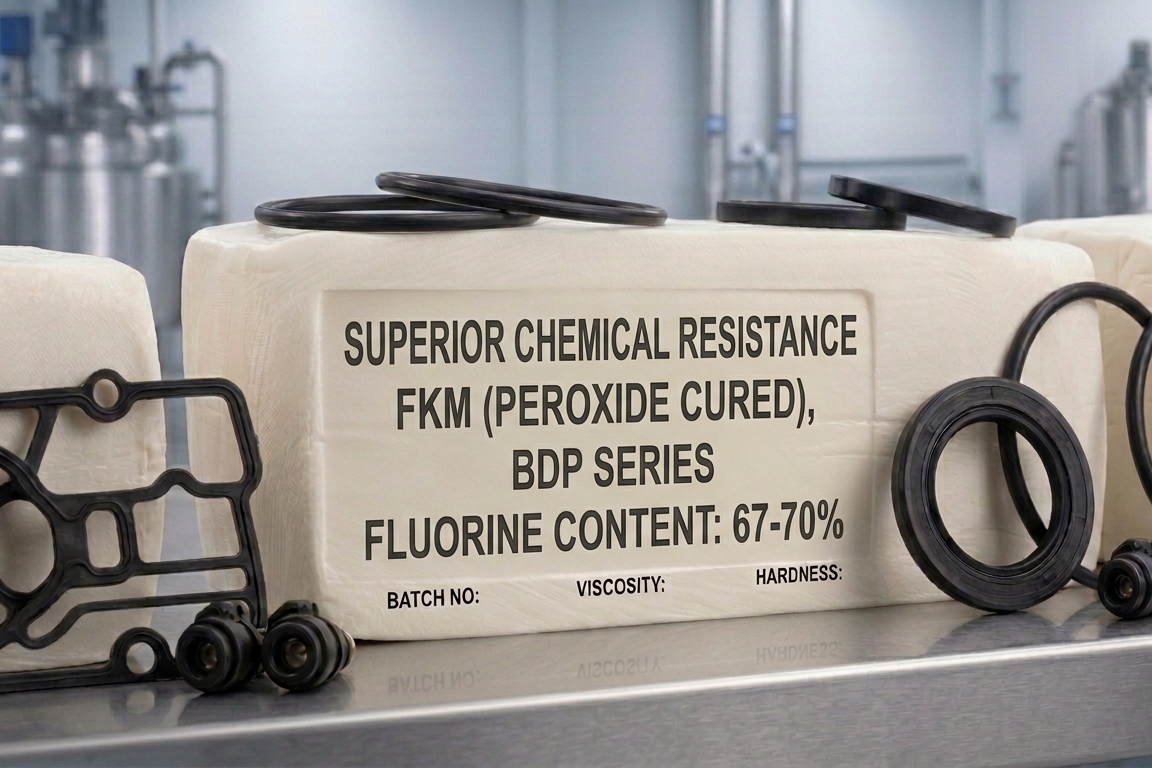
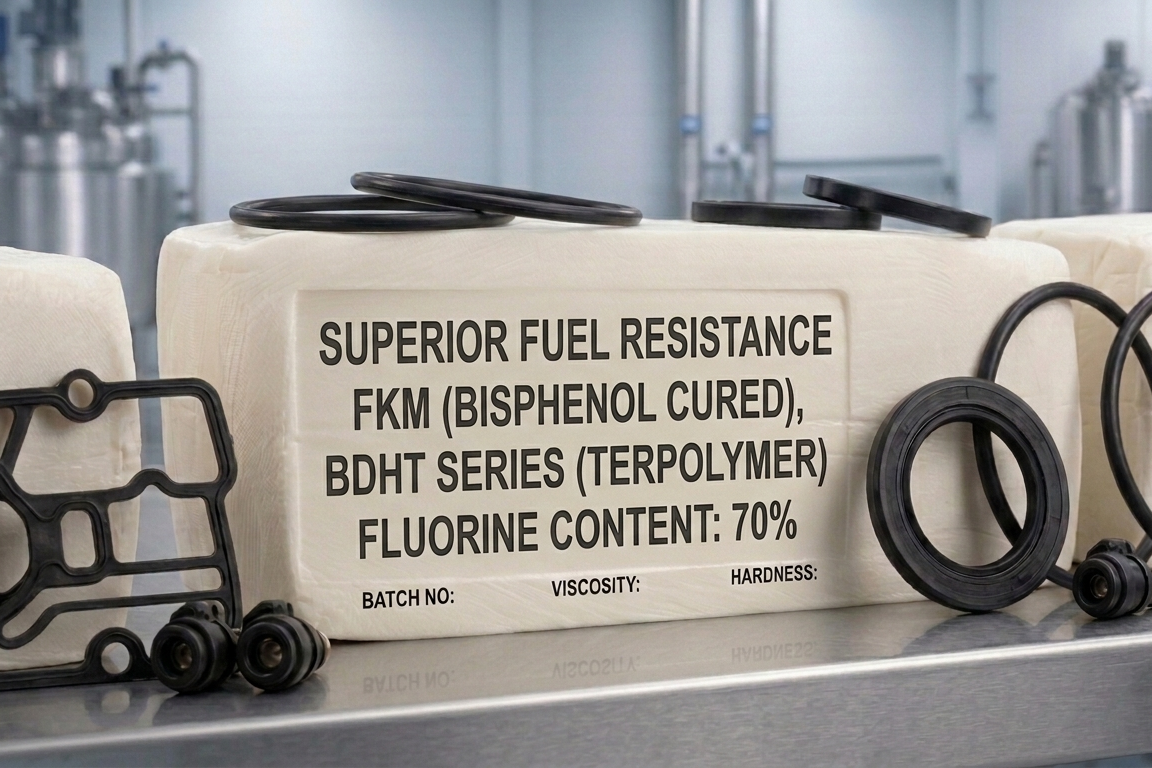
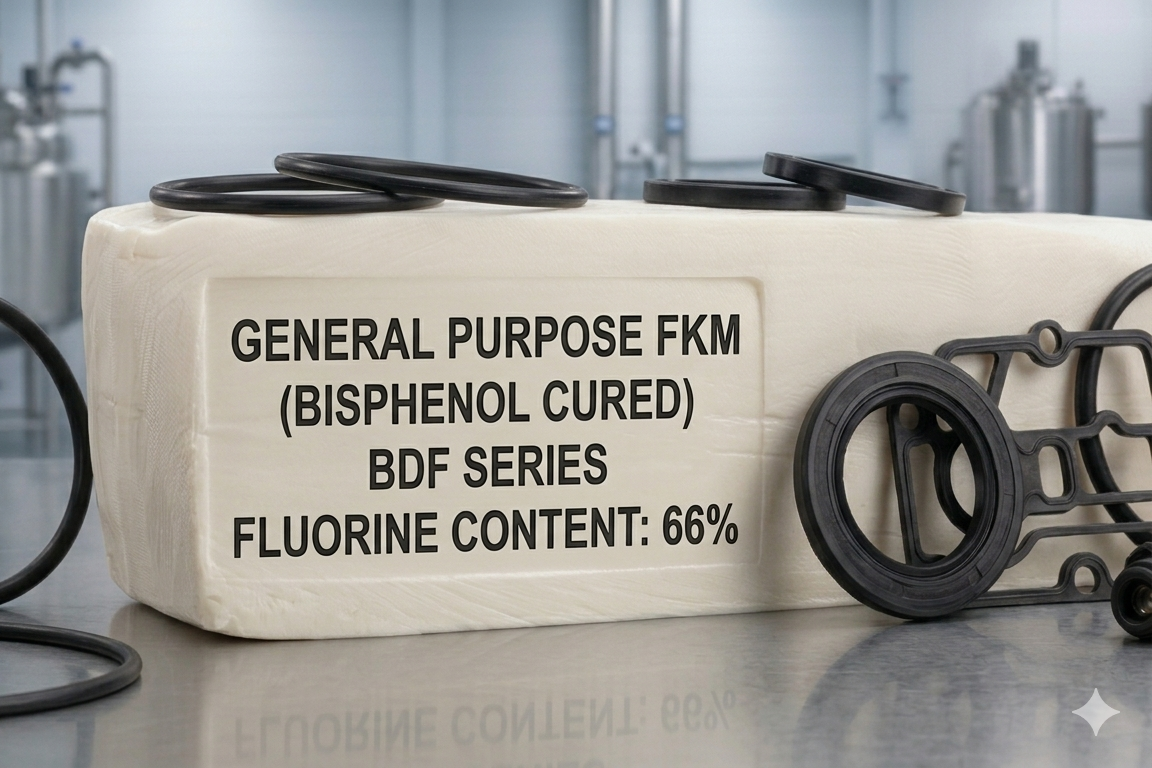
Standard elastomers swell, soften, or embrittle when exposed to these synthetic lubricants at elevated temperatures. Swelling causes physical distortion of the O-ring, while chemical degradation destroys the polymer cross-links, accelerating compression set. Low compression set FKM, particularly bisphenol or peroxide-cured terpolymers, offers exceptional chemical resistance. By optimizing the fluorine content (typically 66% to 70%), these elastomers resist chemical attack from aggressive additives in vacuum oils, maintaining physical structure and sealing force.
In high-vacuum (HV) and ultra-high-vacuum (UHV) systems, outgassing is a critical bottleneck. Outgassing refers to the release of trapped gases, water vapor, and low-molecular-weight volatile organic compounds (VOCs) from the bulk of the elastomer into the vacuum chamber. This outgassed material contaminates processes, such as wafer deposition in semiconductor chips, causing defects.
Low compression set FKM compounds are specifically formulated and post-cured (often up to 24 hours at elevated temperatures) to drive off volatile residues. This results in extremely low outgassing rates. Furthermore, the high density and tight cross-linking density of FKM molecules provide an excellent barrier against gas permeation, keeping atmospheric oxygen, nitrogen, and moisture from diffusing through the seal into the vacuum chamber.
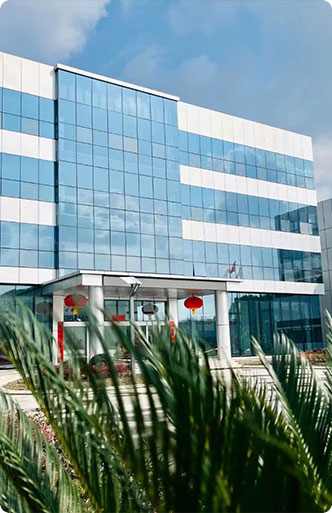
Overview & Legacy: Chengdu Kingrande Chemicals Co., Ltd. (formerly Chenguang Fluoro & Silicone Elastomers Co., Ltd. / FSE) was founded in 2004. Headquartered in Chengdu with manufacturing sites in Suining, China, we have grown through over 20 years of unremitting efforts from a small team of ten into a comprehensive enterprise with 300+ staff and two subsidiaries. We have evolved from simple traditional techniques to becoming a leading domestic supplier powered by patented technology, expanding our expertise from FKM pre-compounds to the high-end fine chemical market.
Contact UsKingrande specializes in the R&D and production of specialty fluorinated chemicals and silicone materials. Our diverse portfolio is engineered to meet the stringent demands of high-performance sealing, thermal management, and environmental compliance.
The rapid expansion of semiconductor fabs globally, driven by AI chips and high-performance computing, has pushed the demand for ultra-clean vacuum seals to historic highs. Modern nodes (3nm and below) require plasma-resistant, ultra-low outgassing FKM and FFKM seals. Any minor contamination from O-ring degradation under vacuum pump lubrication can halt a production line, costing millions of dollars per hour. Consequently, manufacturers are transitioning from standard grade FKMs to advanced low compression set formulations.
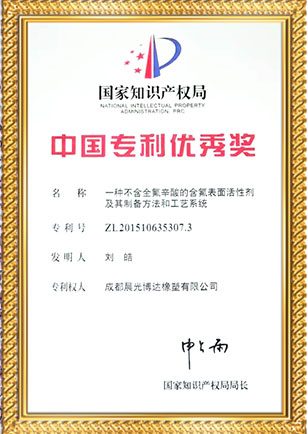
Environmental regulations (such as REACH and proposed PFAS restrictions in Europe and the US) are reshaping the fluoropolymer industry. There is a massive industry shift towards using eco-friendly surfactants during polymerization. Kingrande's development of Borflon FSA (a PFOA substitute) represents the vanguard of this green transition, ensuring that high-performance FKM materials comply with future global environmental mandates without compromising physical properties like compression set.
A growing trend in vacuum pump lubrication is the synergistic development of sealing materials and the lubricants themselves. By producing both Fluocon PFPE lubricants and Fluoron FKM elastomers, advanced chemical manufacturers can optimize the molecular compatibility between the fluid and the elastomer. This holistic design approach minimizes chemical swelling, maintains the low compression set profile of the seal, and extends the MTBF (Mean Time Between Failures) of high-vacuum pump systems.
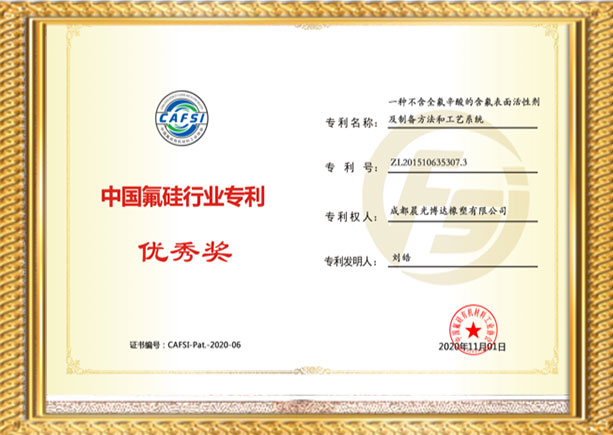
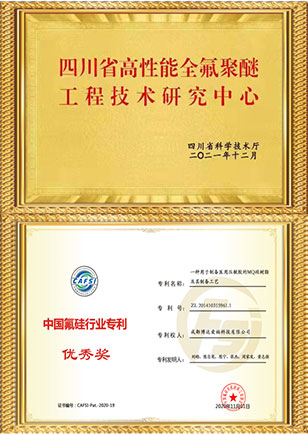
Quality is the blood of our enterprise. Kingrande’s management system is certified by SGS with ISO9001:2015, IATF16949:2016, and ISO14001:2015. We are recognized by the Ministry of Industry and Information Technology as a "Little Giant" of Specialized, Fine, Peculiar, and Innovative enterprises. Our accolades include being named a National High-tech Enterprise, a National Intellectual Property Advantage Enterprise, and a Top 100 Sichuan Enterprise in Technological Innovation.